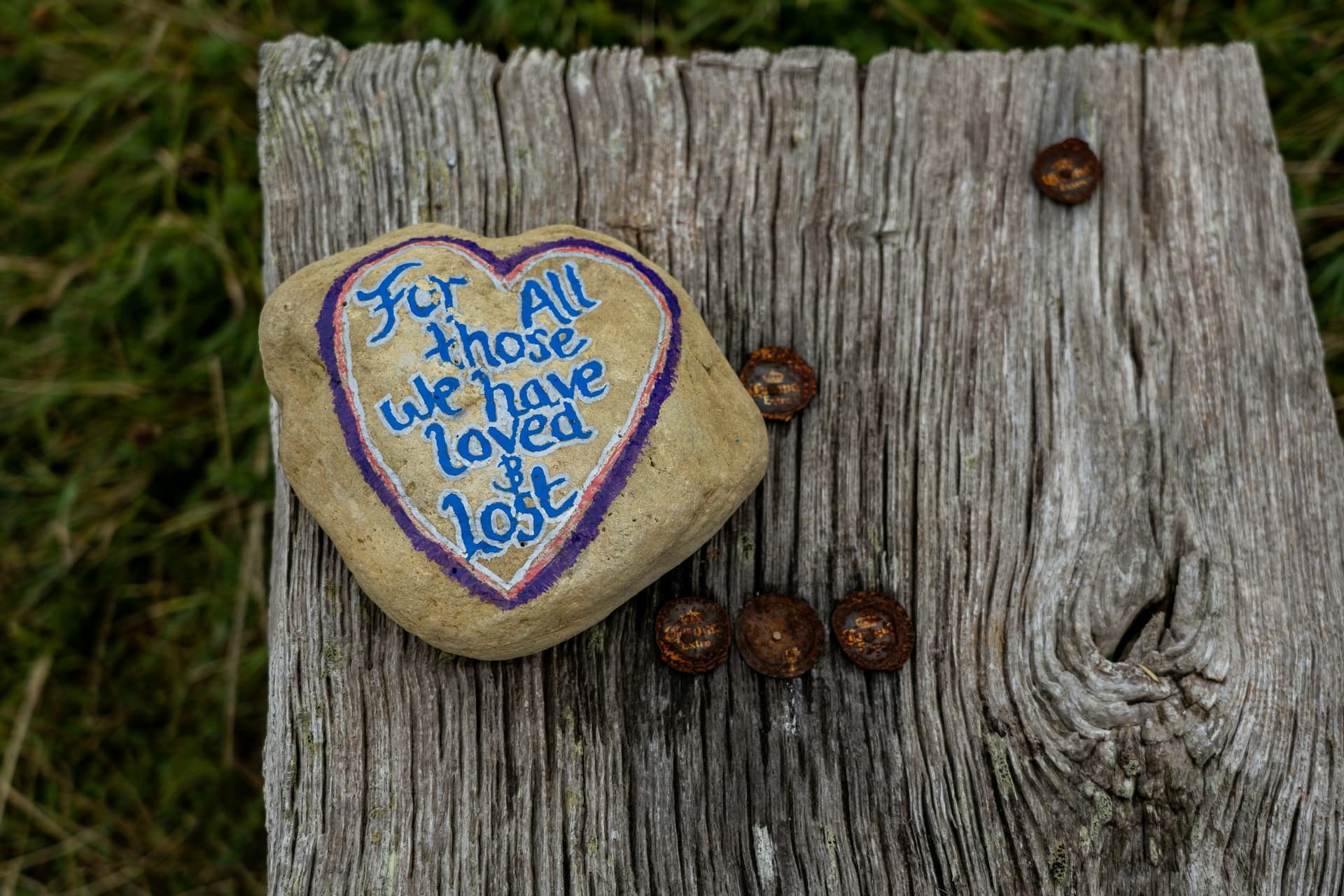
Most grief research has relied on cross-sectional surveys that capture only snapshots of people’s experiences, overlooking the natural fluctuations that happen in daily life. Traditional self-report measures typically ask participants to reflect over weeks or months, but they cannot show how grief reactions shift from moment to moment.
To address this gap, the research team created a FAIR (Findable, Accessible, Interoperable, Reusable) data archive that integrates three Experience Sampling Method (ESM) projects investigating Prolonged Grief (PG) reactions in daily life. Using Avicenna’s smartphone app and Ecological Momentary Assessment (EMA), bereaved participants reported on their grief as it occurred, providing real-time and ecologically valid data. This archive demonstrates both the feasibility of intensive grief research in vulnerable populations and the long-term value of open data.
Study Overview
The study was conducted by Justina Pociūnaitė-Ott (Trauma Data Institute), Lonneke I. M. Lenferink (Department of Clinical Psychology and Experimental Psychopathology, University of Groningen, Netherlands), and colleagues, with contributions from Dr. Minita Franzen, Dr. Janske van Eersel, Andreea Pana, Bente Lauxen, Giulia Micheli, and more than 20 research assistants.
In total, 315 bereaved individuals participated, mostly from the Netherlands, with a smaller number from Germany. The majority were middle-aged women (81.5%) with higher education (60.19%). Nearly half had lost a partner or child, and most losses were due to natural causes. 59.24% of losses occurred less than 12 months prior to participation.
Data were collected between January 2022 and July 2024 across three separate projects:
- Project 1: Jan–Mar 2022
- Project 2: Feb–Aug 2023
- Project 3: Apr–Jul 2024
Together, the projects generated 22,050 ESM measurement points, with participants responding to an average of 43.77 out of 70 notifications (71% compliance).
Study Design & Methodology
Each project followed the same three-phase structure: a baseline assessment, 14 days of ESM, and a follow-up. The baseline and follow-up assessments captured sociodemographic characteristics, loss-related factors, and psychopathology measures to contextualize daily-life fluctuations in grief symptoms.
During the 14-day ESM phase, participants received five prompts per day at semi-random times within fixed windows (morning, midday, afternoon, evening, late evening). They had one hour to respond, with reminders sent if needed. Each survey asked about prolonged grief symptoms aligned with DSM-5-TR criteria, rated on a 7-point scale, and referring to the past three hours.
The ESM grief items were explicitly designed to map onto the DSM-5-TR criteria for Prolonged Grief Disorder, with 11 momentary items covering all diagnostic symptoms (including separate assessments of sadness and anger for emotional pain). These items were developed using expert input and cognitive interviewing and have demonstrated sound psychometric properties.
To support participants, the research team used Avicenna’s mobile app for structured delivery and real-time data capture. Onboarding included video tutorials and detailed study information. Research assistants were available throughout the study for troubleshooting.
Challenges such as missing data, participant burden, harmonization complexity, and technical difficulties were managed using flexible response windows, automated reminders, harmonization strategies, and strong technical support. Data from the three projects were harmonized by aligning measurement schedules, unifying item wording, and standardizing variables across datasets. By harmonizing them into one resource, the researchers set a precedent for open, collaborative grief research.
Participation was voluntary, and participants provided explicit digital consent for both participation and long-term data sharing, allowing anonymized data to be reused for future scientific work. Individuals with a diagnosed psychotic disorder or active suicidal ideation at baseline were excluded.
Data was handled according to GDPR standards: responses were de-identified, securely stored, and archived in the certified DANS repository. Multiple export formats (PDF/A, CSV, ODS, DAT, R, and SAV) were made available to ensure reusability.
FAIR Principles & Access
The archive is findable via a persistent DOI and open metadata. Access to participant-level data is restricted to qualified researchers who submit a preregistered analysis plan, demonstrate appropriate data security measures, and agree not to share the data with third parties.
Researchers can also contribute additional grief ESM datasets to the archive, provided that ethical approval, consent for data sharing, and sufficient construct overlap are in place. Harmonization guidelines and example code are available to support new contributions.
Publications from the Archive
This archive is described in detail in the following paper:
- A FAIR Intensive Longitudinal Data Archive on Prolonged Grief in Daily Life – Lenferink, L. I. M., & Pociūnaitė-Ott, J., et al. (2025)
In addition, several publications have already used data from this archive, including:
- Assessing prolonged grief symptoms using experience sampling methodology: The development of the prolonged grief symptoms - short ecological assessment (PGS-SEA) scale
- The association between one’s social life and symptoms of prolonged grief following a traumatic loss: an ecological momentary assessment study
- Profiles of Fluctuating Prolonged Grief Disorder Reactions Using Experience Sampling Data
- Dynamic networks of prolonged grief symptoms in daily life
Insights & Implications
This project demonstrates how grief can be studied in real time, moving beyond static surveys to capture dynamic, ecologically valid data. The archive also highlights the feasibility of FAIR data sharing in sensitive populations, ensuring that the data are collected and shared according to FAIR principles, supporting reuse and long-term value.
Looking ahead, the archive provides a foundation for real-time clinical grief monitoring, supports the development of context-sensitive interventions, and encourages international collaboration.
Planning a Similar Study?
Avicenna supported this project by providing the technical backbone for intensive daily-life data collection, participant engagement, and secure data management.
If you are planning a similar study, Avicenna can help you:
- Design flexible, semi-random sampling protocols that balance rigor with participant convenience
- Provide structured onboarding and real-time technical support to maximize compliance
- Ensure that data are FAIR from the start, supporting reuse and shareability for future research